Category: Non-Video

  • February USDA Lending Rates for Ag Producers

    The U.S. Department of Agriculture (USDA) announced loan interest rates for February 2025, which are effective Feb. 3, 2025. USDA Farm Service Agency (FSA) loans provide important access to capital to help agricultural producers start or expand their farming operation, purchase equipment and storage structures or meet cash flow needs.

    Operating, Ownership and Emergency Loans 

    FSA offers farm ownership, operating and emergency loans with favorable interest rates and terms to help eligible agricultural producers obtain financing needed to start, expand or maintain a family agricultural operation.

    Interest rates for Operating and Ownership loans for February 2025 are as follows:

    FSA also offers guaranteed loans through commercial lenders at rates set by those lenders.  To access an interactive online, step-by-step guide through the farm loan process, visit the Loan Assistance Tool on farmers.gov.

    Commodity and Storage Facility Loans

    Additionally, FSA provides low-interest financing to producers to build or upgrade on-farm storage facilities and purchase handling equipment and loans that provide interim financing to help producers meet cash flow needs without having to sell their commodities when market prices are low.  Funds for these loans are provided through the Commodity Credit Corporation (CCC) and are administered by FSA.

    More Information

    To learn more about FSA programs, producers can contact their local USDA Service Center. Additionally, producers can use online tools, such as the Loan Assistance Tool and Debt Consolidation Tool to explore loan options.

    FSA helps America’s farmers, ranchers and forest landowners invest in, improve, protect and expand their agricultural operations through the delivery of agricultural programs for all Americans. FSA implements agricultural policy, administers credit and loan programs, and manages conservation, commodity, disaster recovery and marketing programs through a national network of state and county offices and locally elected county committees. For more information, visit fsa.usda.gov.

  • Propane Council To Unveil Innovative Soil Steam Weeding at World Ag Expo

    The Propane Education & Research Council (PERC) is excited to introduce the first propane-powered soil steam unit for commercial use at the 2025 World Ag Expo February 11-13 in Tulare, CA. At the Western Propane Gas Association Booth (West Street WS20 and WS22), attendees can learn about propane’s pivitol role as a clean, reliable, and cost-effective energy source in agriculture production.

    In addition to viewing a variety of propane-powered equipment, including irrigation engines, a mower, generator, and more, PERC will be hosting a press conference at 3 p.m. on Tuesday, February 11 to present the new propane-powered soil steamer. This groundbreaking new technology is designed to eliminate weeds and nematodes without the need for pesticides or herbicides—offering growers an eco-friendly solution to critical farming challenges.

    “Propane is already an excellent choice for modern agriculture—naturally reducing emissions without compromising efficiency—but this new technology is really a game-changer when it comes to organic and more sustainable food production,” said Michael Newland, director of agriculture business development at PERC. “With this soil steam unit, growers can maintain the optimal crop production necessary to have a successful operation, while also satisfying consumer and regulatory demands for lower emissions and reduced chemical reliance. It’s a win-win situation for both farmers and consumers.”

    This innovation is ideal for California’s high-value crops, including strawberries, carrots, lettuce, and cabbage. Using shallow steaming, the soil steamer applies steam to the top 1-2 inches of soil—the critical zone for weed seed germination—to ensure energy efficiency while achieving optimal results. Studies show that steam treatment can increase lettuce yields by 25% in areas affected by lettuce drop.

    The use of propane for soil steaming also offers growers a more reliable, low-emission energy source that is critical in California’s continuous growing season, without the risk of sudden power interruptions. Increasing demand on the electric grid system and system failures are no issue when it comes to the anytime, anywhere energy access available with propane.

    Stop by the Western Propane Gas Association booths (WS20, WS22) at World Ag Expo or visit www.Propane.com/SoilSteamer/. To explore propane’s benefits for agriculture and see how this innovative technology is shaping the future of sustainable farming overall, visit www.Propane.com/Agriculture.

    About PERC: The Propane Education & Research Council is a nonprofit that provides leading propane safety and training programs and invests in research and development of new propane-powered technologies. PERC is operated and funded by the propane industry. For more information, visit Propane.com.

  • Twenty Years of Groundbreaking Lodi Rules Sustainable Winegrowing Certification

    The Lodi Winegrape Commission proudly celebrates 20 years of certification under its pioneering LODI RULES for Sustainable Wine growing program. LODI RULES has led the way in promoting farming practices that respect the environment, support employee well-being, and ensure long-term economic viability. What originally began as an integrated pest management outreach program in 1992 grew into the infamous Lodi Winegrowers Workbook (1999), which formed the basis for LODI RULES. In 2005, 1,555 acres of Lodi vineyards owned by six growers were the first to become certified sustainable. Today, over 75,000 acres are certified across California, Washington, and Israel, and the influence of this groundbreaking program resonates across the globe.

    “Today, LODI RULES stands as an internationally recognized model for sustainable agriculture – emulated around the world – born from the dedication of Lodi growers who built this program from the ground up and the scientists who supported their courageous endeavor,” said Stuart Spencer, Executive Director of the Lodi Winegrape Commission.

    A Grassroots Program with a Global Reach

    Developed by growers for growers, LODI RULES is comprised of more than 150 rigorous farming practice standards, holistically addressing multiple facets of viticulture, including ecosystem enhancement, soil health, water conservation, community relations, human resources, pest management, and successful business policies. More than 70 of the program’s farming practices can measurably reduce the emission of greenhouse gases, helping to mitigate the negative effects of climate change.

    “It feels amazing to be part of a community dedicated to learning how we can do better and then implementing those changes in a meaningful way,” noted Dr. Stephanie Bolton, LODI RULES Sustainable Winegrowing Director. “Growers and wineries find immense value in LODI RULES, sharing with us that the program helps them farm in a more thoughtful manner, feel more connected, and communicate their story to the world.”

    Honoring the Sustainability Pioneers

    Recently, at the LODI RULES annual meeting, five of the original six growers were honored for achieving the milestone of 20 years of certification:

    • Mohr-Fry Ranches (Jerry Fry, Bruce Fry, and Mohrgan Fry)
    • Vino Farms, LLC. (John Ledbetter, Craig Ledbetter, and Kim Ledbetter-Bronson)
    • Watts Vineyards (Keith Watts)
    • Colligere Farm Management (Robert Pirie and Brandon Anderson)
    • Trinchero Family Estates (Chris Trinchero)

    Each of these five family farms has played a key role in shaping the foundation of LODI RULES, demonstrating how purposeful, science-based viticulture leads to better wine quality, healthier ecosystems, and thriving communities. Their leadership continues to elevate sustainability within Lodi and serves as an inspiration to growers around the world – encouraging others to adopt, adapt, and raise the bar on sustainable practices in their own operations.

    “These families represent the unwavering spirit of Lodi growers,” Spencer added. “They’ve proven that sustainability is far more than a buzzword. Their commitment sets the standard for winegrowers everywhere.”

    Robert Pirie reflects: “We take sustainability seriously. I am honored to have been a member of the original group who created the region’s LODI RULES for Sustainable Winegrowing program. It’s humbling to see how far the program has progressed and to see its influence on farming practices here in Lodi, throughout the entire state, and now, the world.”

    Looking Ahead

    As the Lodi Winegrape Commission celebrates two decades of sustainable leadership, it remains dedicated to continued innovation, grower education, and global collaboration. By evolving its standards and expanding its reach, LODI RULES will continue to champion winegrowing practices that protect the environment, benefit local communities, and ensure the legacy of vineyards for generations to come.

    About the Lodi Winegrape Commission

    Established in 1991, the Lodi Winegrape Commission represents the common interests of Lodi winegrowers with programs in marketing, education, research, and sustainable viticulture.  The Commission collectively and effectively promotes Lodi’s vibrant, multi-generational farming community and California’s most dynamic wine region. Comprised of nine commissioners and nine alternates, the board of directors provides direction and input on behalf of the region’s 750 winegrowers. For more information about the Lodi Winegrape Commission, visit lodigrowers.com.

    About the Lodi American Viticultural Area (AVA)

    A historic winegrowing region since the 1850s, Lodi is perfectly situated 40 miles south of Sacramento and 90 miles east of San Francisco. Lodi’s Mediterranean climate and distinct soils allow its growers to cultivate more than 130 winegrape varieties, making Lodi the most diverse winegrowing region in the United States. The region also serves as home to 80 boutique wineries specializing in small-lot, handmade wines that have garnered major awards at domestic and international wine competitions.

    Lodi is naturally a leader in sustainable viticulture. Created by California farmers and accredited by world-renowned scientists, LODI RULES is America’s original sustainable winegrowing program. Held to a high standard of scientific rigor and excellence, the program emphasizes environmentally and socially responsible practices, while keeping economic feasibility in mind for long-term business success. Today, there are more than 75,000 acres certified throughout California, in Washington, and Israel. For more information about the Lodi AVA or LODI RULES, visit lodiwine.com and lodirules.org.

  • California Agricultural Leadership Foundation Names Lesa Eidman as New President and CEO

    The California Agricultural Leadership Foundation (CALF) announced that Lesa Eidman has been selected as its new president and CEO, effective Feb. 18. Eidman will succeed Dwight Ferguson, who has served in the position since October 2020.

    “We are thrilled to welcome Lesa to the Ag Leadership team as our new president and CEO,” said CALF Board Chair Mike Young (Class 35). “Lesa brings to the role a deep connection to Ag Leadership, as a graduate of Class 49 and an actively engaged alum, as well as an inspiring vision for the future of Ag Leadership and California agriculture as a whole. Her passion and expertise will build on the strong foundation laid by Dwight and propel CALF to even greater heights.”

    Young also expressed his gratitude for Ferguson’s contributions over the past four and a half years. “Dwight has been instrumental in professionalizing our organization, leading our last strategic plan and positioning the foundation for long-term success and sustainability,” said Young. “His leadership has set the stage for an exciting future, and we are deeply grateful for his dedication and service. On a personal note, Dwight has become a close friend and mentor, and I am truly sad to see him go.”

    Eidman has extensive experience with agricultural producers and associations over the past 20 years. Since 2015, she has worked for Superior Farms – North America’s top processor and marketer of lamb – first as director of producer resources and sustainability and for the past five years as vice president of sales. From 2003 to 2015, Eidman was the executive director of the California Wool Growers Association and California Pork Producers Association.

    Eidman is a third-generation agriculturalist with a family heritage rooted in education and production agriculture. She earned a bachelor’s degree in agricultural business and management from Fresno State and a master’s degree in agricultural and resource economics from UC Davis.

    “I am honored and excited to be the 10th president and CEO of the California Agricultural Leadership Foundation,” said Eidman. “CALF has a strong mission of growing leaders who make a difference, and I am eager to build on that foundation. My vision is to elevate the organization’s trajectory, expanding its reach and impact to address the challenges and opportunities facing California agriculture. Together with our dedicated team and alumni network, we will continue to empower transformative leadership and shape a brighter future for the agricultural industry.”

    ABOUT
    CALF is dedicated to growing leadership in agriculturalists who have the capacity and potential to advance, benefit and promote California agriculture. Since 1970, more than 1,400 California Agricultural Leadership Program fellows have become lifelong leaders who individually and collectively act as a catalyst for a vibrant agricultural community and make a significant difference in the agricultural industry, their businesses, communities and families. agleaders.org

  • California Dairy Short Course Training Opportunities and Conference For 2025

    The California Dairy Innovation Center (CDIC) has released the schedule for short courses and events as a part of its 2025 training program series for processors, producers, entrepreneurs, and students. The courses, which have no pre-requisites, will be held at a variety of California locations and are open to all participants.

    The schedule of courses includes:

    Products, Process & Packaging Innovation Conference – February 18-20, 2025 – Cliffs Resort & Spa, Shell Beach, Calif.
    In collaboration with Cal Poly San Luis Obispo and the Pacific Coast Coalition, this conference highlights advancements in dairy product innovation. This event will focus on dairy marketplace innovation, recent enhancements made to dairy processing and packaging and improved marketing as presented by today’s leaders and entrepreneurs as they share their insight and experience in today’s dairy industry.

    More information and registration are available here.

    Buttermaking & Milk Fat Fundamentals – March 12, 2025 – Cal Poly San Luis Obispo, Dairy Products Technology Center, SLO, Calif. This one-day course will combine lectures and hands-on learning focused on buttermaking processes and milk fat technology. Innovation in the sector will featured in addition to solid training on fundamentals. Registration will be posted here.

    Dairy Products & Processing 201 – April 24, 2025 – Petaluma area, Calif. A one-day introduction to processes used to formulate dairy products, with in-depth review of regulations, packaging and claims. This is a free program open to all California-based processors, academia and supply chain partners.Registration will be posted here.

    Frozen Desserts – May 20-21, 2025 – Cal Poly San Luis Obispo, Dairy Products Technology Center, SLO, Calif.
    A two-day deep dive into frozen dessert formulations, which will include 100% hands-on pilot plant demos and prototyping. The focus will be on innovative products: no sugar added, high protein, cottage cheese ice cream, “boozy” frozen desserts, ethnic flavors and more. Registration will be posted here.

    R&D Best Practices – June 17-19, 2025– Cal Poly San Luis Obispo, Dairy Products Technology Center, SLO, Calif.
    This three-day program will feature lectures and is focused on process and helpful tools for research and development, featuring best practices for dairy products. Ideal for QA, R&D and operations – entry and junior level. Check the CDIC Training & Education page for registration information.

    Exploring Cooking & Acid-Set Cheeses – October 7-8, 2025– Cal Poly San Luis Obispo, Dairy Products Technology Center, SLO, Calif. Two days of hands-on cheesemaking workshops, which will focus on acid-set cheeses and their culinary uses. This new program will feature a variety of fresh and other cheeses used in food service and processed foods applications with a global flair, from fromage frais to paneer. Check the CDIC Training & Education page for registration information.

    Short Course and conference programs are co-organized with California Milk Advisory Board’s CDIC, with partial funding and contributions from Dairy Management Inc., the USDA’s Pacific Coast Coalition Dairy Business Innovation Initiative (hosted by Fresno State) and the CMAB. Programs are subject to change. For more info about the CDIC and its educational opportunities, contact Veronique Lagrange (vlagrange@cmab.net).

    About the California Dairy Innovation Center

    The California Dairy Innovation Center (CDIC) coordinates pre-competitive research and educational training in collaboration with industry, check-off programs, and research/academic institutions in support of a common set of innovation and productivity goals. The CDIC is guided by a Steering Committee that includes California Dairies Inc., California Dairy Research Foundation, California Milk Advisory Board, Cal Poly San Luis Obispo, Dairy Management Inc., Fresno State University, Hilmar Cheese, Leprino Foods, and UC Davis. More info at: https://www.cdic.net/.

    About Real California Milk/California Milk Advisory Board
    The California Milk Advisory Board (CMAB), an instrumentality of the California Department of Food and Agriculture, is funded by the state’s dairy farm families who lead the nation in sustainable dairy farming practices. With a vision to nourish the world with the wholesome goodness of Real California Milk, the CMAB’s programs focus on increasing demand for California’s sustainable dairy products in the state, across the U.S. and around the world. Connect with the CMAB at RealCaliforniaMilk.com, Facebook, YouTube, Tik Tok, Instagram, X and Pinterest.

  • Tomato Processors Expect To Contract 10.2 Million Tons In 2025

    As of January, California’s tomato processors reported they have, or will have, contracts for 10.2 million tons in 2025, which is a decrease of 10% compared to 11.3 million contracted tons forecast in the August 2024 California Processing Tomato Report. Processors estimate that the contracted production for 2025 will come from 200,000 acres, generating an average yield of 51.0 tons per acre. This year’s contracted planted acreage forecast is 12% below the 2024 estimate of 228,000 planted acres under contract in the August forecast.

    The USDA-NASS Pacific Regional Office surveyed California’s tomato processors for their intended contract acreage and tonnage for the upcoming 2025 season. The data reported by processors was either tonnage with derived acreage, or acreage with derived tonnage.


    This early processing tomato estimate is funded by the California League of Food Producers.


  • USDA Issues Final Rule Amending Federal Milk Marketing Order Pricing

    On January 16, 2025, the U.S. Department of Agriculture (USDA) Agricultural Marketing Service (AMS) announced a final rule amending the uniform pricing formulas applicable in all 11 Federal milk marketing orders (FMMOs). The final rule was made available for viewing on January 16, 2025, in the Federal Register and on AMS’s National Federal Milk Marketing Order Pricing Formula Hearing webpage. It was published in the Federal Register January 17th.

    The final rule follows a 49-day national hearing held from August 23, 2023, to January 30, 2024, in Carmel, Indiana, where AMS heard testimony and received evidence on 21 proposals from the dairy industry. AMS issued a recommended decision on July 1, 2024, followed by its publication in the Federal Register on July 15, 2024, which began a 60-day public comment period.

    A total of 128 comments were received, analysis of which was included in a final decision that was issued on November 12, 2024, and published in the Federal Register on December 2, 2024.

    Following publication of the final decision, AMS administered and oversaw 11 referenda whereby producers whose milk was pooled on an FMMO in the selected representative month of January 2024 had the opportunity to vote in favor of or opposition to the FMMOs proposed to be amended.

    This final rule announces that producers in each of the 11 FMMOs approved the following pricing formula amendments:

    • Updating the skim milk composition factors to 3.3 percent true protein, 6.0 percent other solids and 9.3 percent nonfat solids, with a six-month delayed implementation.

    • Removing 500-pound barrel cheddar cheese prices from the Dairy Product Mandatory Reporting Program survey.

    • Updating the Class III and Class IV manufacturing allowances to $0.2519 for cheese, $0.2272 for butter, $0.2393 for nonfat dry milk and $0.2668 for dry whey, all on a per pound basis, and the butterfat recovery factor to 91 percent.

    • Returning the base Class I skim milk price formula to the higher-of the advanced Class III or Class IV skim milk prices for the month. In addition, adoption of a Class I extended shelf life (ESL) adjustment for all ESL products equal to the average-of mover plus a 24-month rolling average adjuster with a 12-month lag.

    • Updating the Class I differential values to reflect the increased cost of servicing the Class I market.

    The rule will be effective June 1, 2025, for all changes, except for changes to the skim milk composition factors. The amendments to skim milk composition factors will be implemented December 1, 2025. These changes will apply to milk marketed on and after these dates, as applicable, and those changes will be reflected in both the advanced prices and pricing factors released before the start of the month and the class and component prices announced after the close of the month.

    Copies of the final rule, educational materials and the entire hearing record can be found on the hearing webpage or obtained from USDA/AMS/Dairy Program; STOP 0225 – Rm. 2530; 1400 Independence Ave. SW, Washington, DC 20250-0225. Questions can be submitted to fmmohearing@usda.gov.

  • California Dairy Students Partner With California Dairy Families to Raise Milk Donations For Families In Need

    One in eight Californians currently struggle with food insecurity, with milk being one of the most requested but least donated items at food banks. The California Milk Advisory Board (CMAB) recently worked with student dairy advocates from California State University, Chico (Chico State), California State University, Fresno (Fresno State), California Polytechnic State University, San Luis Obispo (Cal Poly), and Modesto Junior College (MJC) to address this deficit by hosting the second annual Real California Milk Intercollegiate Give-A-Gallon Challenge.

    Using 100-gallon donation commitments from the CMAB as an incentive, students in each area shared information about the need for milk and options for donating through their social media channels. Each team coordinated donations through local and campus milk drives, in person and virtually. As a part of the Real California Milk CADAIRY4GOOD program, this initiative spotlights ongoing commitment by California dairy families to increasing access to nutritious foods.

    “My passion has always been rooted in the dairy industry, which is why I am so motivated to get milk off of the shelves and into our communities. I’m so thankful for all of the supporters of our milk drive year after year. My favorite part is arriving to a food bank with all of our milk to drop off and seeing everyone’s faces light up,” said Anthony Agueda, California dairy farmer and Fresno State Ag Business student.

    Megan Donaldson, Chico State student and Dairy Science Club president, noted, “Everyone deserves to have quality milk products to enjoy in their home, and this initiative is a wonderful way to provide that. Chico State Dairy Science Club and Chico State Organic Dairy Unit members are proud to represent this amazing industry by donating gallons of Real California Milk to those in need.”

    “Participating in this competition truly showed a new perspective on what food accessibility looks like in our community. We’re extremely grateful to have participated in this challenge and are excited to bring forth new ideas to next year’s competition,” said Morgan Oliveira, Cal Poly student and Dairy Club secretary.

    “Over the last 4 years MJC has donated almost 3,000 gallons of milk to Stanislaus County with this project. It is heartwarming to know that we have donated 48,000 servings of fresh, California milk to those less fortunate in the Central Valley through our efforts to promote Hunger Awareness in our community,” said Nicole Morris, California dairy farmer and MJC dairy science instructor.

    The initiative raised more than 6,000 gallons of milk with donations distributed to 17 local food banks, including student pantries at Cal Poly, Chico State and Fresno State.

    California is the nation’s leading milk producer, and makes more butter, ice cream and nonfat dry milk than any other state. California is the second-largest producer of cheese and yogurt. California milk and dairy foods can be identified by the Real California Milk seal, which means they are made with milk from the state’s dairy families using some of the most sustainable farming practices in the world.

    About Real California Milk/California Milk Advisory Board

    The California Milk Advisory Board (CMAB), an instrumentality of the California Department of Food and Agriculture, is funded by the state’s dairy farm families who lead the nation in sustainable dairy farming practices. With a vision to nourish the world with the wholesome goodness of Real California Milk, the CMAB’s programs focus on increasing demand for California’s sustainable dairy products in the state, across the U.S. and around the world. Connect with the CMAB at RealCaliforniaMilk.com, Facebook, YouTube, Tik Tok, Instagram, X and Pinterest.

  • Remembering Anita Oberholster, Celebration of Life on May 12

    It is with deep sadness that UC Davis announces the passing of Dr. Anita Oberholster, Professor of Cooperative Extension in Enology in the UC Davis Department of Viticulture and Enology, after a long and courageous battle with cancer. Her passing leaves an immeasurable void in our UC Davis V&E family. Above all, our thoughts are with Anita’s husband, Connie, and their two children during this difficult time.

    Anita grew up on a farm in Malmesbury in the Cape Region of South Africa with her parents and two older siblings prior to completing her BSc with Honors in chemistry at Stellenbosch University. She continued her education with a PhD in Wine Chemistry at the University of Adelaide in Australia, working on factors influencing wine mouthfeel. Upon completing her research in Australia, Anita returned to South Africa, where she joined the Department of Viticulture and Oenology at Stellenbosch University as a researcher and instructor. In 2011, Anita started in the Department of Viticulture and Enology at UC Davis as our CE Specialist in Enology.

    Anita was the ideal CE Specialist—she was smart, a warm person and terrific communicator, and a researcher who excelled at applied research that the industry valued to solve their most pressing problems. In recent years, she led a large group of researchers working on methods for assessing and mitigating the impact of wildfire smoke on wines, providing information that the California wine industry desperately needed in vintages like 2017, 2018, and 2020 when wildfires closed in on key growing regions. Anita was also the lead investigator on a USDA Specialty Crop Research Initiative grant that aimed to understand the impact of Grapevine Red Blotch Virus, a disease that has had an enormous economic impact on the California industry.

    Anita communicated extensively with growers and producers all over California, including through traditional on-campus educational extension programs, on the road seminars and winery visits in growing regions in all corners of the state, online Zoom programs, social media outlets, and via YouTube videos—any method to give our stakeholders the information they needed. Anita’s presentations were authoritative and informative but were delivered in a friendly and approachable manner. She clearly had a talent for explaining difficult concepts in an easy-to-understand (and apply) manner that our stakeholders valued so much.

    In addition, Anita was a terrific colleague, always ready to jump in when needed, whether as a research collaborator on basic research, a co-mentor for a student’s research project, chairing committees to make our facilities better, helping our VEN Graduate Group operate, or leading in the College of Agricultural and Environmental Sciences, the UC Davis campus, or UC ANR. Anita was giving of her time and talents off-campus as well, serving for multiple terms on the Board of the American Society for Enology and Viticulture.

    As much as she excelled in all these areas, perhaps Anita’s greatest passion was in mentoring a long line of trainees including postdoctoral fellows, graduate students, and undergraduate interns, guiding and inspiring them to find their common love of science while embracing them in an exciting and caring environment. Those Anita mentored have become leaders themselves in industry and in academia on at least four continents around the world.

    We were lucky to have had Anita with us for the past fourteen years. She has had a significant and long-lasting impact on the grape and wine sectors in California. For these efforts and their impact, Anita was recognized by many organizations. She received both the Extension Distinction Award from ASEV and the UC Davis Academic Federation Distinguished Service Award in Spring of 2021. Anita received the California Association of Winegrape Growers’ Leader Award of Excellence in April 2022, and she received a Wine Enthusiast Wine Star Award (with Tom Collins and Elizabeth Tomasino) in January 2023, a Northern California Public Media Food and Wine Award (Wine World Game Changer) in March 2023, and then in July 2023, Congressman Mike Thompson honored Anita with an American Dream Award for Yolo County. The American Dream Awards are presented to California’s Fourth District (Lake, Napa, Solano, Sonoma, and Yolo Counties) residents who have come to the United States and made outstanding contributions to our communities.

    On a more personal note, Anita was a wonderful friend and colleague. Even with the very busy life she lived, she always found time for warm hospitality with great wine and food, often introducing South African dishes to her guests from California and around the world, from meat and breads on the brai (barbecue) with her husband, to table-sized charcuterie boards and South African casseroles, salads, and desserts. We will miss her very much.

    The Department is planning a Celebration of Life for Anita on May 12th from 2 – 5 PM and will announce further details as they are available. The family requests that, in lieu of flowers, donations be sent to the UC Davis Comprehensive Cancer Center Research Fund in Anita’s memory. A UC Davis memorial fund has also been set up in her memory.

    The College of Agricultural and Environmental Sciences at UC Davis also published an article about Anita that can be viewed here.

    Finally, if you have memories, stories, photos or condolences to share, we invite you to do so via this website. Your words and photos will be collected and shared with Anita’s family and colleagues within the UC Davis and ANR communities.

  • Amanda Felder of Taylor Farms Among New Appointees to National Organic Standards Board

    The U.S. Department of Agriculture has announced the appointment of five new members to the National Organic Standards Board (NOSB). The NOSB is made up of 15 members from the organic sector. The new members announced today will serve five-year terms, from January 2025 through January 2030.

    “The National Organic Standards Board plays a key role in bringing together the organic community, and we are thrilled to welcome our five new members. They bring a wide diversity of experience and expertise; and will help guide the sector as it continues to grow.” said Under Secretary for Marketing and Regulatory Programs Jenny Lester Moffitt. “We also appreciate and extend our gratitude to the outgoing members of the board for their dedication and work on behalf of the entire organic community.”

    Please join us in welcoming to the Board:

    Kathryn DeschenesKathryn Deschenes (Colorado) is appointed to the Handler seat. She is the Director of Regulatory Affairs at Danone, which produces dairy, plant-based products, and infant food, including the Happy Family Organics brand. She holds both master’s and bachelor’s degrees in Food Science and Technology.

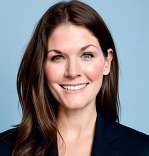
    Felder.AAmanda Felder (California) is appointed to the Handler seat. She is the Organic Integrity and Environmental Compliance Manager at Taylor Farms, a leading producer of organic salads, where she oversees the organic compliance of a network of farming, food processing and manufacturing operations. She holds a bachelor’s degree in Business Administration.

    Andrea HatziyannisAndrea Hatziyannis (Arizona) is appointed to the Retailer seat. She is the Category Strategy Manager for Sprouts Farmers Market, a supermarket chain that specializes in organic foods and fresh produce. She brings 20 years of industry experience in product development, retail, and research. She holds both master’s and bachelor’s degrees in Food Science.

    McCluskey2Cathleen McCluskey (Wisconsin) is appointed to the Environmental Protection and Resource Conservation seat. She is the Policy and Advocacy Director for Organic Seed Alliance, a national organization that conducts research and training with seed producers and develops policies for organic seed, food, and farming systems. She holds a Doctorate in Environment and Resources and a bachelor’s degree in Agricultural Systems Analysis.
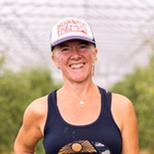
    Corie Pierce Corie Pierce (Vermont) is appointed to the Farmer seat. She’s the owner and operator of Bread & Butter Farm, a 600- acre diversified organic vegetable and grass-fed beef and pork farm in Vermont. She also teaches organic farming at the University of Vermont. She holds a bachelor’s degree and a certificate in AgroEcology.


    About the NOSB

    The NOSB is a Federal Advisory Board established under the Organic Foods Production Act of 1990. The Board operates in accordance with the Federal Advisory Committee Act to assist in developing standards for substances used in organic production and to advise the Secretary on aspects of the National Organic Program.  Learn more about NOP and the Board on our website at www.ams.usda.gov/organic.