Category: News

  • Remembering Anita Oberholster, Celebration of Life on May 12

    It is with deep sadness that UC Davis announces the passing of Dr. Anita Oberholster, Professor of Cooperative Extension in Enology in the UC Davis Department of Viticulture and Enology, after a long and courageous battle with cancer. Her passing leaves an immeasurable void in our UC Davis V&E family. Above all, our thoughts are with Anita’s husband, Connie, and their two children during this difficult time.

    Anita grew up on a farm in Malmesbury in the Cape Region of South Africa with her parents and two older siblings prior to completing her BSc with Honors in chemistry at Stellenbosch University. She continued her education with a PhD in Wine Chemistry at the University of Adelaide in Australia, working on factors influencing wine mouthfeel. Upon completing her research in Australia, Anita returned to South Africa, where she joined the Department of Viticulture and Oenology at Stellenbosch University as a researcher and instructor. In 2011, Anita started in the Department of Viticulture and Enology at UC Davis as our CE Specialist in Enology.

    Anita was the ideal CE Specialist—she was smart, a warm person and terrific communicator, and a researcher who excelled at applied research that the industry valued to solve their most pressing problems. In recent years, she led a large group of researchers working on methods for assessing and mitigating the impact of wildfire smoke on wines, providing information that the California wine industry desperately needed in vintages like 2017, 2018, and 2020 when wildfires closed in on key growing regions. Anita was also the lead investigator on a USDA Specialty Crop Research Initiative grant that aimed to understand the impact of Grapevine Red Blotch Virus, a disease that has had an enormous economic impact on the California industry.

    Anita communicated extensively with growers and producers all over California, including through traditional on-campus educational extension programs, on the road seminars and winery visits in growing regions in all corners of the state, online Zoom programs, social media outlets, and via YouTube videos—any method to give our stakeholders the information they needed. Anita’s presentations were authoritative and informative but were delivered in a friendly and approachable manner. She clearly had a talent for explaining difficult concepts in an easy-to-understand (and apply) manner that our stakeholders valued so much.

    In addition, Anita was a terrific colleague, always ready to jump in when needed, whether as a research collaborator on basic research, a co-mentor for a student’s research project, chairing committees to make our facilities better, helping our VEN Graduate Group operate, or leading in the College of Agricultural and Environmental Sciences, the UC Davis campus, or UC ANR. Anita was giving of her time and talents off-campus as well, serving for multiple terms on the Board of the American Society for Enology and Viticulture.

    As much as she excelled in all these areas, perhaps Anita’s greatest passion was in mentoring a long line of trainees including postdoctoral fellows, graduate students, and undergraduate interns, guiding and inspiring them to find their common love of science while embracing them in an exciting and caring environment. Those Anita mentored have become leaders themselves in industry and in academia on at least four continents around the world.

    We were lucky to have had Anita with us for the past fourteen years. She has had a significant and long-lasting impact on the grape and wine sectors in California. For these efforts and their impact, Anita was recognized by many organizations. She received both the Extension Distinction Award from ASEV and the UC Davis Academic Federation Distinguished Service Award in Spring of 2021. Anita received the California Association of Winegrape Growers’ Leader Award of Excellence in April 2022, and she received a Wine Enthusiast Wine Star Award (with Tom Collins and Elizabeth Tomasino) in January 2023, a Northern California Public Media Food and Wine Award (Wine World Game Changer) in March 2023, and then in July 2023, Congressman Mike Thompson honored Anita with an American Dream Award for Yolo County. The American Dream Awards are presented to California’s Fourth District (Lake, Napa, Solano, Sonoma, and Yolo Counties) residents who have come to the United States and made outstanding contributions to our communities.

    On a more personal note, Anita was a wonderful friend and colleague. Even with the very busy life she lived, she always found time for warm hospitality with great wine and food, often introducing South African dishes to her guests from California and around the world, from meat and breads on the brai (barbecue) with her husband, to table-sized charcuterie boards and South African casseroles, salads, and desserts. We will miss her very much.

    The Department is planning a Celebration of Life for Anita on May 12th from 2 – 5 PM and will announce further details as they are available. The family requests that, in lieu of flowers, donations be sent to the UC Davis Comprehensive Cancer Center Research Fund in Anita’s memory. A UC Davis memorial fund has also been set up in her memory.

    The College of Agricultural and Environmental Sciences at UC Davis also published an article about Anita that can be viewed here.

    Finally, if you have memories, stories, photos or condolences to share, we invite you to do so via this website. Your words and photos will be collected and shared with Anita’s family and colleagues within the UC Davis and ANR communities.
  • Amanda Felder of Taylor Farms Among New Appointees to National Organic Standards Board

    The U.S. Department of Agriculture has announced the appointment of five new members to the National Organic Standards Board (NOSB). The NOSB is made up of 15 members from the organic sector. The new members announced today will serve five-year terms, from January 2025 through January 2030.

    “The National Organic Standards Board plays a key role in bringing together the organic community, and we are thrilled to welcome our five new members. They bring a wide diversity of experience and expertise; and will help guide the sector as it continues to grow.” said Under Secretary for Marketing and Regulatory Programs Jenny Lester Moffitt. “We also appreciate and extend our gratitude to the outgoing members of the board for their dedication and work on behalf of the entire organic community.”

    Please join us in welcoming to the Board:

    Kathryn DeschenesKathryn Deschenes (Colorado) is appointed to the Handler seat. She is the Director of Regulatory Affairs at Danone, which produces dairy, plant-based products, and infant food, including the Happy Family Organics brand. She holds both master’s and bachelor’s degrees in Food Science and Technology.
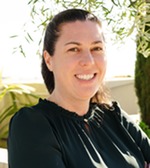
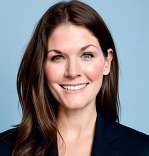
    Felder.AAmanda Felder (California) is appointed to the Handler seat. She is the Organic Integrity and Environmental Compliance Manager at Taylor Farms, a leading producer of organic salads, where she oversees the organic compliance of a network of farming, food processing and manufacturing operations. She holds a bachelor’s degree in Business Administration.

    Andrea HatziyannisAndrea Hatziyannis (Arizona) is appointed to the Retailer seat. She is the Category Strategy Manager for Sprouts Farmers Market, a supermarket chain that specializes in organic foods and fresh produce. She brings 20 years of industry experience in product development, retail, and research. She holds both master’s and bachelor’s degrees in Food Science.

    McCluskey2Cathleen McCluskey (Wisconsin) is appointed to the Environmental Protection and Resource Conservation seat. She is the Policy and Advocacy Director for Organic Seed Alliance, a national organization that conducts research and training with seed producers and develops policies for organic seed, food, and farming systems. She holds a Doctorate in Environment and Resources and a bachelor’s degree in Agricultural Systems Analysis.
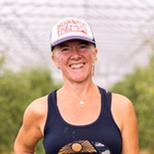
    Corie Pierce Corie Pierce (Vermont) is appointed to the Farmer seat. She’s the owner and operator of Bread & Butter Farm, a 600- acre diversified organic vegetable and grass-fed beef and pork farm in Vermont. She also teaches organic farming at the University of Vermont. She holds a bachelor’s degree and a certificate in AgroEcology.


    About the NOSB

    The NOSB is a Federal Advisory Board established under the Organic Foods Production Act of 1990. The Board operates in accordance with the Federal Advisory Committee Act to assist in developing standards for substances used in organic production and to advise the Secretary on aspects of the National Organic Program.  Learn more about NOP and the Board on our website at www.ams.usda.gov/organic.

  • New UCANR Climate Scientist to Deliver Keynote at Upcoming Irrigation Conference

    Daniel Swain joined University of California Agriculture and Natural Resources on Nov. 1 as a climate scientist in the California Institute for Water Resources. Swain studies the changing character, causes and impacts of extreme weather and climate events on a warming planet – with a particular focus on the physical processes leading to droughts, floods and wildfires.

    “We are very excited to have Daniel Swain join UC ANR,” said Glenda Humiston, UC vice president for agriculture and natural resources. “He brings a unique blend of skills and expertise that are crucial to meet the challenge of climate change, here in California and across the globe. Daniel’s research – and his ability to clearly explain the latest findings in climate science – can equip fellow academics, policymakers and communities with the vital tools they need to forge effective and sustainable solutions.”

    Swain is known for his exceptional science communication skills, explaining weather and climate in terms easily understood by the public.

    “I spend a great deal of time engaging directly with the public in California and beyond on weather, climate and disaster-related topics, so I’m thrilled to be joining UC ANR—where broad dissemination of research-based information is a key part of the mission,” Swain said. “I’m grateful for ANR’s support for my unusual hybrid climate research and science communication role, and look forward to helping expand ANR’s virtual and statewide reach in the years to come.”

    In November, Swain was named one of Vox’s Future Perfect 50 – “the thinkers, activists and scholars working on solutions to today’s (and tomorrow’s) biggest problems.” Vox wrote: “Our communities and institutions are largely unequipped to fully understand, let alone deal with, the impacts of climate change. That’s where climate experts should, theoretically, come in. But knowing the science is one thing – being able to effectively communicate it is a whole other ballpark. Climate scientist Daniel Swain is that desperately needed liaison.”

    On his widely read Weather West blog, Swain has been sharing his perspectives on California weather and climate since 2006. He hosts regular “virtual office hours” for the public on YouTube. On X/Twitter, he has more than 101,000 followers.

    The “Weather Whisperer” fields hundreds of calls from reporters every year and has been the single most-quoted expert in recent years at UCLA, where he was a climate scientist in the Institute of the Environment and Sustainability. Last year, when Swain was seeking institutional support that would allow him to do science communication as well as research, a Los Angeles Times columnist wrote, “I certainly rely on Swain and other scientists to tell environmental stories.”

    The term “Ridiculously Resilient Ridge” was coined in 2013 by Swain on his Weather West blog to describe the large, formidable high-pressure mass that persisted over the West Coast during winter and diverted storms away from California, contributing to the state’s 2013-2017 drought.

    Before joining UC ANR, Swain, who grew up in the Bay Area, was at UCLA and held a concurrent appointment as a research fellow in the Capacity Center for Climate and Weather Extremes at the NSF National Center for Atmospheric Research since 2018. While holding a 100% appointment with UC ANR, he will maintain his associations with UCLA and NSF NCAR.

    Swain holds a Ph.D. in Earth system science from Stanford University and a bachelor’s degree in atmospheric science from UC Davis.

    He will be the keynote speaker at the California Irrigation Institute’s annual conference on Jan. 27 in Sacramento. His talk is titled “Drier and Wetter in 21st Century California? Managing Increasing Hydroclimate Whiplash in a Warming World.”

    In addition to posting on his blog at weatherwest.com, Swain is also on Twitter/X @Weather_West, Bluesky https://bsky.app/profile/weatherwest.bsky.social, YouTube https://youtube.com/@weatherwest, Threads https://threads.net/@weather.west and Mastodon https://mastodon.social/@weatherwest.

    UC Agriculture and Natural Resources brings UC information and practices to all 58 California counties. Through research and Cooperative Extension in agriculture, natural resources, economic growth, nutrition and youth development, our mission is to improve the lives of all Californians. Learn more at ucanr.edu and support our work at donate.ucanr.edu.

  • Long-Awaited UC Davis Bee Genetics Book Updated

    Hear that buzz? The long-awaited update of the landmark UC Davis-authored book, Queen Bee Rearing and Bee Breeding by Harry H. Laidlaw Jr. (1907-2003), “the father of bee genetics,”  and his former doctoral research mentee Robert E. Page Jr., now an internationally known bee geneticist, is about to be published.

    Wicwas Press of Kalamazoo, Mich., published the landmark book in 1996 and now will publish the updated book, Honey Bee Genetics and Breeding, written by Page and dedicated to Professor Laidlaw.

    UC Davis Professor Harry H. Laidlaw Jr. with graduate student and mentee Robert E. Page Jr., circa 1980

    “This book is long overdue,” said Page, whose career took him from doctoral student to professor and chair of the UC Davis Department of Entomology to provost of Arizona State University. “Although it isn’t actually a revision of Queen Rearing and Bee Breeding that I wrote with Harry Laidlaw 25 years ago, it does bring that book up-to-date with respect to genetics and breeding.  And there is still a lot of Harry in it.”

    The Laidlaw-Page book was “for beekeepers who know little about genetics, and geneticists who know little about beekeeping.”

    Page said he never expected Wicwas Press would still be selling the inaugural book nearly 30 years later.  “Harry used to remind me frequently that a revision was needed, we intended to do it, but he passed September 19, 2003, at the age of 96. I considered revising the book many times, but life got in the way, and I struggled with what more I could say about queen rearing.”

    Reviewers hail the 182-page book as “probably the best reference for learning about bee breeding theory and practice and the history of honey bee genetics.” Page offers examples of both successful and unsuccessful bee breeding programs.

    The chapters include “Principles of Inheritance,” “Mechanisms of Inheritance,” “Principles of Breeding,” “Disease Resistance,” “Defensive Behavior” and “Honey Production.”

    “The fundamentals of queen rearing have been with us since G.M. Doolittle’s book Scientific Queen Rearing first published in 1889,” Page related. “Methods have evolved through a process of natural selection with different queen producers developing their own specific modifications that get passed on, shared, and adopted or rejected by others until we have the practices used by queen producers today. But still, they are not far from the fundamentals of Doolittle.”

    Page noted, however, that “our understanding of the genetic basis of inheritance and the development of genetic tools for exploring the genetic architectures of honey bee traits has undergone a major transformation since 1996. The biggest leap in honey bee genetics came with the sequencing of the honey bee genome, published in 2006, an enormous international effort to assemble 240 million base pairs (building blocks of DNA) that contain about 10,000 genes.”  Gene Robinson of the University of Illinois, Urbana-Champagne, spearheaded that effort.

    “Colony and individual traits are now routinely explored by genetic mapping, facilitating the identification of associated genes whose expression may be altered, thus enabling the investigation of their effects,” Page writes in his book. “We are on the cusp of the next great transformations: (1) the use of gene sequence information to reliably identify specific genes and enhance classical selection for economically important traits, and (2) the ability to transform genes, by editing them, into more favorable forms that may affect behavior and/or disease resistance.”

    Robert E. Page

    Since 1996, the main emphasis of bee breeding “has shifted from increasing honey production and reducing defensive behavior to controlling diseases,” Page wrote. “The increasing apicultural problems presented by varroa mites and their associated diseases puts pressure on bee breeders to find solutions through genetic stock improvement to reduce the use of chemical treatments in hives.”

    “The purity of honey is paramount in the perception of the public,” Page shared. “We must do all we can to preserve that. The tremendous worldwide effort to breed varroa resistance mechanisms into commercial honey bees has had only limited success, so far. But much has been learned about honey bee genetics and breeding, varroa biology and potential mechanisms of resistance in honey bees. Hopefully, the new genetic tools being developed will be employed and lead to more success.”

    Internationally recognized bee breeder and geneticist Susan Cobey, a mentee of Laidlaw, a former manager of the Harry H. Laidlaw Jr. Honey Bee Research Facility at UC Davis,  and a newly retired Washington State University scientist, praises the book as demystifying technical aspects and filling in the knowledge gaps.  “Honey bee breeding is a lifelong adventure and passion,” she writes in the foreword. “As a young, idealistic beekeeper venturing into developing a commercial stock, Dr. Harry Laidlaw told me, ‘You will never be bored by the challenge of selecting the ‘super’ bee. She doesn’t exist, the journey will be the reward.’ Four decades later, this has proven true.”

    Cobey applied the Page-Laidlaw Closed Population Breeding Program (CPBP) theory to develop and maintain her New World Carniolan line. “The practicality and simplicity of the program gave it longevity. Many bee breeding programs have now converted to use this breeding scheme, including the USDA Hilo project.”

    “The literature addressing bee genetics, breeding scheme methodologies and assays for selecting desirable traits are scattered in the scientific, research and beekeeping journals,” Cobey wrote. “It’s like a large puzzle with missing pieces. Finally, in this book, Rob Page covers these subjects clearly, comprehensively, supported by his research with a highly informative and fascinating presentation.”

    Page, considered by his peers as “the most influential honey bee biologist of the past 30 years,” is known for his research on honey bee behavior and population genetics, particularly the evolution of complex social behavior. One of his most salient contributions to science was to construct the first genomic map of the honey bee, which sparked a variety of pioneering contributions not only to insect biology but to genetics at large.

    Page pioneered the use of modern techniques to study the genetic basis of social behavior evolution in honey bees and other social insects. He was the first to employ molecular markers to study polyandry and patterns of sperm use in honey bees. He provided the first quantitative demonstration of low genetic relatedness in a highly eusocial species.

    For 24 years, from 1989 to 2015, Page maintained a UC Davis honey bee-breeding program, managed by bee breeder-geneticist Kim Fondrk. Their contributions include discovering a link between social behavior and maternal traits in bees. Their work was featured in a cover story in the journal Nature. In all, Nature featured his work on four covers from work mostly done at UC Davis.

    Page is also the author of The Spirit of the Hive: The Mechanisms of Social Evolution (Harvard University Press, 2013) and the Art of the Bee: Shaping the Environment from Landscapes to Societies (Oxford University Press, 2020).  In 2023, he launched a publicly accessible  and free YouTube Channel, https://youtube.com/@artofthebee.

    A native of Bakersfield, Page received his doctorate in entomology in 1980 from UC Davis, studying with major professor Norman Gary and Laidlaw, his doctoral research mentor. Page  advanced  to professor and chair of the Department of Entomology (now the Department of Entomology and Nematology), serving as the chair from 1999-2004. A second career emerged when Arizona State University (ASU) recruited him in 2004.

    Today Page holds the titles of ASU University Provost Emeritus and Regents Professor Emeritus as well as UC Davis Distinguished Emeritus Professor and Emeritus Chair of the UC Davis Entomology Department.

  • Santa’s Reindeer Cleared for Visit to California

    California State Veterinarian Dr. Annette Jones has granted a 24-hour permit for nine reindeer scheduled to visit California on the evening of December 24 and in the early morning hours of December 25.

    The application was filed with CDFA Animal Health Branch staff by a rotund, jolly man with a red suit, white beard, and a pocketful of candy canes. The signature on the application reads, “K. Kringle.”

    “Although Santa’s reindeer are special and very magical, we are grateful that every year he ensures they meet and exceed our animal health requirements to enter the state — he really cares about protecting the health of our farm animals and wildlife,” said Dr. Jones.

    The permit was granted with two conditions: the nine reindeer listed,  Dasher, Dancer, Prancer, Vixen, Comet, Cupid, Donner, Blitzen and Rudolph, may not fraternize with other reindeer in the State of California, and the sleigh must be checked before entering the state to ensure no agricultural pests are hitching a ride. “Mr. Kringle’s veterinarian has assured us that the reindeer are healthy and fit again this year. They are ready for a busy night,” said Dr. Jones.  “We are excited to welcome them into our state, where they are sure to find plenty of yummy fresh vegetables to renew their energy,”

    CDFA Secretary Karen Ross thanked Department staff for their hard work, recognizing their commitment to maintaining animal health and safe and abundant California-grown food to share with all our visitors this holiday season. “We are delighted to issue this permit to Mr. Kringle,” said Secretary Ross. “We wish him safe travels and plenty of California milk and cookies as he and his reindeer deliver presents to the children of our state.”

  • Walnuts Deemed “Healthy” By the U.S. Food & Drug Administration

    Walnuts meet the updated definition for a “healthy” food based on the important role they play in recommended dietary patterns, according to the much-anticipated announcement from the U.S. Food and Drug Administration (FDA) detailing a new definition for foods that can be identified or labeled as “healthy.”1

    This announcement, originally previewed in 2022 on the heels of the historic White House Conference on Hunger, Nutrition and Health, is a significant step toward ensuring food labeling is consistent with the most up-to-date nutrition scientific evidence and Dietary Guidelines for Americans (DGA) recommendations to support individuals and families in building healthy eating patterns.

    “The inclusion of walnuts in the new “healthy” definition affirms consumers’ belief that walnuts are a healthy food.* It also aligns with decades of nutrition research reinforcing the important contributions walnuts can make in a healthy lifestyle,” shared Robert Verloop, chief executive officer for the California Walnut Commission.

    “It’s simple. Just adding walnuts to Americans’ daily diet can potentially have wide-ranging positive impacts.”

    The 2020-2025 DGA encourage consumers to choose foods that are nutrient-dense, such as nuts, including walnuts. However, close to two-thirds of Americans do not meet the recommended intake for nuts and seeds.2,3

    Encouraging walnuts as a substitution for food choices higher in saturated fat can help support recommendations to replace intake of saturated with unsaturated fats, as strongly advised by the recently-released 2025 Dietary Guidelines Advisory Committee Scientific Report.4 The total fat in walnuts (18g) is mostly comprised of polyunsaturated fats (13g/oz), including omega-3 ALA (2.5g/oz), an essential fatty acid with potential to support heart health and cognition.5-7 Walnuts are the only tree nut to provide an excellent source of omega-3 ALA.8 

    “In my 20 plus years of practicing nutrition at a major medical institution, I have seen trends go in and out for what the public considers healthy. But what has always been foundational is the role plant-based foods like walnuts play in supporting health. Walnuts are one nut I find consistently meets the variable needs of patients in my practice,” states Kristin Kirkpatrick, MS, RDN and author. “In practice, I focus on evidence-based approaches to reducing chronic disease risk, weight management, and improvements in metabolic health.”

    Walnuts qualifying as a “healthy” food is just one major milestone in a series of similar recognitions. A recent ruling, earlier in 2024, by the USDA’s Food and Nutrition Service (FNS), ‘Child Nutrition Programs: Meal Patterns Consistent With the 2020-2025 Dietary Guidelines for Americans,’ will make it easier for schools to serve plant-protein rich meals and snacks that include walnuts. Using ingredients like walnuts can help reformulate meal favorites to be healthier, while also supporting vegetarian diets and other food preferences.  Additionally, for the first time, states are now allowed to include walnut butter as part of the latest WIC program (Special Supplemental Nutrition Program for Women, Infants, and Children)package updates. 

    These new inclusions and acknowledgements of the role of walnuts in healthy dietary patterns are due, in part, to the more than 30 years of evidence-based global health and nutrition research funded by the California Walnut Commission. This growing body of research has uncovered many potential benefits of consuming walnuts within healthy dietary patterns across various ages and life stages to maximize health and well-being, including promising research into heart health, cognition, cancer, gut health, body weight, and reproductive health.

    Walnuts are extremely versatile and convenient, adding nutrition to dishes at every meal, as well as simple snacks. For more information about the nutritional benefits of California walnuts, along with delicious recipe inspiration, please visit walnuts.org.

    About the California Walnut Commission 

    The California Walnut Commission (CWC) represents more than 4,600 California walnut growers and approximately 70 handlers, grown in multi-generational farmers’ family orchards. California walnuts, known for their excellent nutritional value and quality, are shipped around the world all year long, with more than 99% of the walnuts grown in the United States being from California. The CWC, established in 1987, promotes usage of walnuts through domestic and export market development activities as well as supports health research with consuming walnuts.

    To explore recipes and learn more about California walnut growers, industry information and health research, visitwalnuts.org.

    * California Walnut Board 2021 Consumer A&U

    References

    1. Public Inspection: Food Labeling: Nutrient Content Claims; Definition of Term ‘Healthy.’” Federal Register, 2024, www.federalregister.gov/public-inspection/2024-29957/food-labeling-nutrient-content-claims-definition-of-term-healthy. Accessed 20 Dec. 2024.
    2. U.S. Department of Agriculture and U.S. Department of Health and Human Services. Dietary Guidelines for Americans, 2020-2025. 9th Edition. December 2020. Available at DietaryGuidelines.gov.
    3. Analysis of What We Eat in America, NHANES 2013-2016, ages 1 and older, 2 days dietary intake data, weighted. Recommended Intake Ranges: Healthy U.S.-Style Dietary Patterns.
    4. 2025 Dietary Guidelines Advisory Committee. 2024. Scientific Report of the 2025 Dietary Guidelines Advisory Committee: Advisory Report to the Secretary of Health and Human Services and Secretary of Agriculture. U.S. Department of Health and Human Services.
    5. Sala-Vila A, Fleming J, Kris-Etherton P, Ros E. Impact of alpha-linolenic acid, the vegetable omega-3 fatty acid, on cardiovascular disease and cognition [published ahead of print February 16, 2022]. Advances in Nutrition. doi.org/10.1093/advances/nmac016.
    6. Naghshi S, Aune D, Beyene J, et al. Dietary intake and biomarkers of alpha linolenic acid and risk of all cause, cardiovascular, and cancer mortality: Systematic review and dose-response meta-analysis of cohort studies. BMJ. 2021;375:n2213. doi:10.1136/bmj.n2213.
    7. Barceló-Coblijn G, Murphy EJ. Alpha-linolenic acid and its conversion to longer chain n3 fatty acids: Benefits for human health and a role in maintaining tissue n-3 fatty acid levels. Prog Lipid Res. 2009;48(6):355-74. Doi.org/10.1016/j.plipres.2009.07.002.
    8. U.S. Department of Agriculture, Agricultural Research Service. FoodData Central, 2019. Fdc.nal.usda.gov.
  • Cindy Tews & Carlos Carillo to Represent CA on National Cattlemen’s Beef Promotion & Research Board

    The USDA has announced the appointment of 36 members to serve on the Cattlemen’s Beef Promotion and Research Board. Thirty-five members will serve three-year terms, and one member will serve a two-year term. The terms of the new appointees will begin February 2025.

    Newly appointed members are:

      • Arizona – Sine Kerr, Buckeye
      • Colorado – Angelina Kelleghan, Loma
      • Iowa – E. Michael Holden, Scranton; and Amy Glick, Solon
      • Kansas – Evan Lesser, Palco; and Larry Kendig, Osborne
      • Louisiana – John M. Thompson, Saint Francisville
      • Michigan – Monte J. Bordner, Sturgis
      • Minnesota – Bill Post, Chandler
      • Mississippi –Janet Gent Parker, Seminary
      • Missouri – Mark Anthony Fellwock, Monett
      • Nebraska – Becky R. Potmesil, Alliance; Joyce Racicky, Mason City; and Joan Ruskamp, Dodge (2-year term)
      • New Mexico – Boe C. Lopez, Springer
      • North Carolina – Brian D. Warren, Newton Grove
      • Oklahoma – Leanne Robison, Stillwater;
      • South Dakota – VeaBea Thomas, Harrold; and Oren L. Lesmeister, Parade
      • Tennessee – Gary W. Daniel, Cypress Inn
      • Texas – Wesley D. Ratcliff, Oakwood; Amy Kirkland, Vega; Jared K. Ranly, D.V.M., Lott; and David Henderson, Tennessee Colony
      • Utah – Mark J. Wintch, Milford
      • Wisconsin – Arin Crooks, Lancaster; and Steve Springer, Linden
      • Wyoming – Gwen Geis, Gillette
      • Mid-Atlantic Unit – Creed Ward, Volga, W.Va.
      • Northeast Unit – Warren W. Nop, Middlebury, Vt.
      • Southwest Unit – Kristin A. McQueary, Ruby Valley, Nev.; Cindy Tews, Hanford, Calif.; and Carlos Carrillo, Hanford, Calif.
      • Importer Unit – Jason Frost, Washington, D.C.; Selwyn Jones, Wimberley, Texas; and Matthew Allan, Washington, D.C.

    The board is authorized by the Beef Promotion and Research Act of 1985 and is composed of 99 members representing 34 states and five units. Members must be beef producers or importers of beef and beef products nominated by certified producer organizations.

    More information about the board is available on the Agricultural Marketing Service (AMS) Cattlemen’s Beef Board webpage.

    Since 1966, Congress has authorized the development of industry-funded research and promotion boards to provide a framework for agricultural industries to pool their resources and combine efforts to develop new markets, strengthen existing markets and conduct important research and promotion activities. AMS provides oversight of 22 boards, paid for by industry assessments, which helps ensure fiscal accountability and program integrity.

    AMS policy is that diversity of the boards, councils and committees it oversees should reflect the diversity of their industries in terms of the experience of members, methods of production and distribution, marketing strategies, and other distinguishing factors, including but not limited to individuals from historically underserved communities, that will bring different perspectives and ideas to the table. Throughout the full nomination process, the industry must conduct extensive outreach, paying particular attention to reaching underserved communities, and consider the diversity of the population served and the knowledge, skills, and abilities of the members to serve a diverse population.

  • ARA Urges Congress to Fund Ag in Year-End Continuing Resolution

    Today the Agricultural Retailers Association (ARA) President & CEO Daren Coppock released the following statement with concerns that Congress may neglect critical payments needed by growers as legislators work on the year-end continuing resolution this week.

    “ARA is extremely concerned with the potential exclusion of grower assistance from the supplemental short-term funding proposal. Without immediate financial assistance, growers may not be able to stay in business, which poses a national and food security risk to the nation.

    “Congress waiting until next year to address this important priority for America’s agricultural industry and their rural communities is not acceptable.”

    In July, ARA member Joey Caldwell with GreenPoint Ag testified during a House Agriculture Committee hearing to emphasize that while farmers are resilient and independent, they require support from policymakers for a robust Farm Bill with the certainty provided by crop insurance.

    “Strong farmers make strong families,” Caldwell testified. “Those strong families make for strong rural communities, and it is those communities that help make the fabric of this nation.”

    ARA strongly urges Congress to recognize the critical role payments to growers play in sustaining the entire supply chain and include ag payments in the year-end continuing resolution.

    About Agricultural Retailers Association
    The Agricultural Retailers Association (ARA) is a nonprofit trade association representing the interests of retailers across the United States on legislative and regulatory issues on Capitol Hill. As the political voice of agricultural retailers, ARA not only represents its membership but also educates members on the political process and important issues affecting the industry. For more information on current legislative and regulatory issues impacting agricultural retailers, visit www.aradc.org.

  • Startups Get Help to Speed New Tech to California Farmers, Apply Today

    UCANR Innovate, the innovation arm of the University of California Agriculture and Natural Resources, has opened applications for its VINE Connect program. Developed in partnership with Farmhand Ventures, the program empowers startups and established companies to scale their technologies in California, addressing key challenges for the state’s farmers. Deadline to apply is Jan. 8, 2025.

    California farmers are at the heart of global food production, but staying ahead requires constant innovation. To meet this challenge, VINE Connect bridges the gap between innovation and application by helping entrepreneurs tailor proven technologies for farmers to ease weed control, harvest and other farming tasks.

    Each year, the VINE Connect program runs three cohorts, each centered on different focus areas within California agriculture. More than 20 solutions are selected annually to participate in a three-month cohort designed to accelerate market adaptation. Participants benefit from a workshop series on field trial readiness, opportunities to present their technologies during a field demonstration day, and extended network opportunities to connect with key stakeholders in California’s agrifood sector. Eligible participants may also qualify for future innovation grants to support technology development, field trials or relocation to California.

    “VINE Connect is all about bridging the gap between innovative ideas and the real-world challenges facing agriculture,” said Hannah Johnson, industry lead at UCANR Innovate. “We’re helping great technologies find their place in California’s farms and fields, creating solutions that work for farmers and the entire food system.”

    “Programs like VINE Connect are critical for supporting entrepreneurs as they adapt their technologies to the unique needs of California’s agriculture industry,” said Connie Bowen, founder of Farmhand Ventures. “It’s about building solutions that are both impactful and sustainable while ensuring they have the potential to grow and attract future investment.”

    The VINE Connect program is part of UCANR Innovate’s broader initiative, The VINE, which is dedicated to advancing agricultural innovation across California. Through a market-driven approach, The VINE collaborates with farmers, industry leaders and community groups to identify practical challenges and develop targeted solutions specifically for California.

    The initiative operates through two complementary tracks: VINE Build and VINE Connect. VINE Build focuses on transforming early-stage University of California prototypes into viable startups, while VINE Connect supports the market adaptation of any proven technologies to meet California’s unique agricultural needs. Together, these programs promote collaboration, sustainability and inclusive growth across one of the world’s most essential agricultural regions.

    “The VINE is about connecting the dots between innovation and agriculture,” said Gabe Youtsey, chief innovation officer at UC ANR and head of UCANR Innovate. “Together, these programs form a complete ecosystem for transforming agricultural challenges into opportunities, helping farmers, startups and communities thrive in California’s dynamic landscape.”

    Applications for the VINE Connect program are open now and will close on Jan. 8, 2025. For more information or to apply, visit https://thevine.io.

    UCANR Innovate is the innovation arm of University of California, Agriculture and Natural Resources, dedicated to driving agriculture, food and biotechnology innovation in California. We connect people, ideas, and resources to tackle real-world challenges and drive progress that empowers entrepreneurs, strengthens industries and secures a thriving, inclusive future for California’s agriculture, its workers and its communities.

    UC Agriculture and Natural Resources brings UC information and practices to all 58 California counties. Through research and Cooperative Extension in agriculture, natural resources, economic growth, nutrition and youth development, our mission is to improve the lives of all Californians. Learn more at ucanr.edu and support our work at donate.ucanr.edu.

  • Rural Industries Disproportionately Exposed to Federal Policy, Facing Downside Risks in 2025

    The U.S. continues to benefit from solid economic growth, low unemployment and moderating inflation. From today’s vantage point, the U.S. economy seems likely to continue on that trajectory into 2025. However, the outlook for the rural economy is more volatile and uncertain. Rural industries are disproportionately exposed to federal policy, and the outcome of the 2024 election cycle promises to bring significant changes in the federal government’s approach to everything from international trade and immigration to energy exploration and rural economic development.

    According to a comprehensive year-ahead outlook report from CoBank’s Knowledge Exchange, the high level of policy uncertainty facing rural industries adds to their already long list of headwinds and challenges.

    “The environment we enter in 2025 hasn’t fully defined itself yet, but many of the policies proposed by the incoming administration would likely have a negative impact on U.S. agriculture,” said Rob Fox, director of CoBank’s Knowledge Exchange. “Open access to export markets and labor availability are critically important for agricultural producers and processors. Depending on how policy plays out, those two areas could be big challenges in 2025 and beyond.”

    The CoBank 2025 outlook report examines several key factors that will shape agriculture and market sectors that serve rural communities throughout the U.S.

    U.S. Economy: A New Economic Era Begins

    Most economists are forecasting 2025 U.S. GDP growth around 2.5%-3.0%, essentially the same as today. However, those forecasts are based on rather mild assumptions on forthcoming policy changes. When taken in isolation, President-elect Trump’s proposed policies — tax cuts, decreased labor supply and tariffs on imported goods — are all inflationary. Consequently, longer-term interest rates have already edged higher, and the market has downshifted expectations for further Fed rate cuts in 2025. There is a good chance the proposed tariffs and the crackdown on undocumented immigrants will be more disruptive than markets have priced in, particularly in industries like construction and agriculture.

    U.S. Government: Trump Administration, Congress Set for Bustling January Start

    Congress is expected to wrap up the lame duck session of the 118th Congress by Dec. 19, hopefully addressing important pieces of unfinished business. A one-year extension of the 2018 Farm Bill is increasingly likely. President-elect Trump is expected to pursue an ambitious first-100 days of executive orders and other legislative activity that will likely include many of his campaign promises. These may include significant deportation efforts and immigration reform, implementation of tariffs, extending the 2017 tax cuts and providing regulatory relief rolling back the Biden administration’s initiatives. The 119th Congress will have a long and challenging to-do list when members return to Washington on Jan. 3.

    U.S. Agricultural Economy: Trade War Could Send Ag Economy from Bad to Worse

    The short-lived commodity boom precipitated by global droughts, the war in Ukraine and COVID-19 supply issues is now a distant memory. Row crop prices are down nearly 50% from their 2022 highs. But production costs have remained elevated, and profitability has plunged to decade-plus lows. The silver lining is that dairy and livestock producers are generally profitable due to low feed costs and resilient consumer demand. However, more headwinds may be coming for both the crop and livestock sectors. President-elect Trump rode to victory on two main economic policy proposals: enact significant import tariffs and reduce immigration while deporting undocumented residents. In theory, these policies could achieve some limited objectives, but it is hard to paint them as anything but negative for the U.S. farm economy.

    Grains, Farm Supply & Biofuels: Policy Uncertainty Weighs on Exports, Biofuels

    A strengthening U.S. dollar, combined with the potential for trade disputes and record-large South American crops, weigh heavily on the outlook for grain and oilseed prices in 2025. U.S. farmers are widely expected to struggle with further margin compression as weaker commodity prices test farmers’ ability to lower production costs. Crop input decisions will be evaluated much more closely with a focus on inputs that provide the greatest return on investment. The bearish outlook for oil prices diminishes the demand picture for ethanol, biodiesel and renewable diesel. Uncertainty over U.S. biofuel policy under the new administration also clouds the demand outlook for biofuels.

    Animal Protein: Rising Margins Improve Prospects for Growth

    Falling feed costs and rising producer margins have renewed expansion interest in animal protein segments. However, labor, construction and land costs remain elevated, tempering expectations for any meaningful supply growth in the near term. U.S. beef cow herd expansion is not expected to start until 2026 or 2027. The smaller herd will further support higher feeder and fed cattle prices in the coming year. With consumers now pushing back on beef prices already near historic highs, packer margins will remain under pressure well into 2025.

    Dairy: Record Investment Will Continue to Grow the Category

    The U.S. will see an unprecedented $8 billion in new dairy processing investment through 2026. Some of the new plants are poised to come online in 2025, with about half of the investment in the cheese category. The expected surge in cheese and whey output will likely put downward pressure on dairy product prices in the second half of the year. Sourcing additional milk supplies to fill new plant capacity is a looming question. 2023 and 2024 will go down as the first back-to-back years since the late 1960s that U.S. milk production took a downturn. On the flip side, higher component levels in farmgate milk, largely butterfat and protein, have lifted finished product yields.

    Food & Beverage: Health and Nutrition Take Center Stage

    The headline news for food, beverage and consumer packaged goods in 2025 is President-elect Trump’s nomination of Robert F. Kennedy Jr. to lead the Department of Health and Human Services. Kennedy’s purported goals include eliminating ingredients banned in other countries and “getting the chemicals out” of America’s food supply. Meanwhile, consumers’ renewed focus on their health and the popularity of GLP-1 weight-loss drugs are showing signs of impacting food manufacturers. GLP-1 users purchase around 8% less food compared with average consumers, according to J.P. Morgan research. Food and beverage manufacturers’ concerns about volume attrition are likely to continue well into 2025.

    Power & Energy: What an IRA Rollback Might Look Like

    President-elect Trump’s return to the White House will signal a significant shift in U.S. energy policy. While he has promised to end the Inflation Reduction Act, slowing the clean energy momentum that has accelerated under the IRA may be more difficult than imagined. Popular programs in the IRA have directed significant investments to many rural and economically distressed communities. And more than a dozen House Republicans have voiced concern that repealing the IRA could jeopardize ongoing development in their communities. Clawing back IRA funds that have already been allocated could prove to be very difficult. The more likely scenario is that unallocated IRA funding will be redirected to other priorities.

    Digital Infrastructure: Rural Connectivity Faces New Challenges

    Political uncertainty and low participation in the Broadband, Equity, Access and Deployment program raises big questions for bridging the digital divide in the year ahead. The $42.5 billion BEAD program, created by the Infrastructure Investment and Jobs Act, includes an unprecedented level of government support. However, a lack of operator participation could blunt the impact of this well-intended program to bring reliable broadband access to underserved rural areas. Many small operators lack the specialized expertise or financial resources to meet some of the complicated BEAD requirements.

    Read the full report, The Year Ahead: Forces That Will Shape the U.S. Rural Economy in 2025.

    About CoBank

    CoBank is a cooperative bank serving vital industries across rural America. The bank provides loans, leases, export financing and other financial services to agribusinesses and rural power, water and communications providers in all 50 states. The bank also provides wholesale loans and other financial services to affiliated Farm Credit associations serving more than 77,000 farmers, ranchers and other rural borrowers in 23 states around the country.

    CoBank is a member of the Farm Credit System, a nationwide network of banks and retail lending associations chartered to support the borrowing needs of U.S. agriculture, rural infrastructure and rural communities. Headquartered outside Denver, Colorado, CoBank serves customers from regional banking centers across the U.S. and also maintains an international representative office in Singapore.