Tag: UC Davis

  • COVID-19 Impacts on Food Supply Chain (May 12 Zoom Call)

    Why is milk being dumped and produce left to rot in fields while grocery store shelves go empty during the COVID-19 pandemic? Why are grocery stores running out of meat, and eggs becoming so expensive?

    The head of California’s Department of Food and Agriculture, researchers from the University of California, Davis, and food purveyors will tackle these and other questions in an online panel discussion at 5 p.m. Tuesday, May 12.

    UC Davis invites the public to attend “Food Shortages in a Pandemic” over the web through Zoom conferencing. To do so, register online at least 48 hours in advance.

    The 90-minute event, which will include a question-and-answer period with the Zoom audience, will feature:

    • Karen Ross, secretary of the California Department of Food and Agriculture since 2011
    • Dan Sumner, director of the UC Agricultural Issues Center, professor of agricultural and resource economics at UC Davis, and former assistant secretary for economics at the U.S. Department of Agriculture
    • Bu Nygrens, co-owner and director of purchasing at Veritable Vegetable of San Francisco, which distributes organic produce from more than 200 small and mid-size growers to restaurants, markets and co-ops across five states
    • Chelsea Minor, corporate director of public affairs for Raley’s Supermarkets of West Sacramento, a regional grocery chain in Northern California and Nevada

    Moderating the event will be Catherine Brinkley, who, as an assistant professor in the Department of Human Ecology at UC Davis, studies the architecture of food supply networks. 

    The panel will discuss how the food supply chain works, why the COVID-19 pandemic has been so disruptive, how distributors and supply chains are adapting to serve restaurants and grocery stores, and whether changes can or should be made to make food systems more resilient.

    The lecture is the third in the Savor series, which explores some of the biggest food and beverage topics being studied today at UC Davis — a world leader in the study of agriculture. The series is presented by the Robert Mondavi Institute for Wine and Food Science and the UC Davis Library.

    – By Jessica Nusbaum and Julia Ann Easley, UC Davis

  • Almond Orchard Recycling a Climate-Smart Strategy

    Recycling trees onsite can sequester carbon, save water and increase crop yields, making it a climate-smart practice for California’s irrigated almond orchards, finds a study from the University of California, Davis.

    Whole orchard recycling is when old orchard trees are ground, chipped and turned back into the soil before new almond trees are planted.

    The study, published in the journal PLOS ONE, suggests that whole orchard recycling can help almond orchards be more sustainable and resilient to drought while also increasing carbon storage in the soil.

    “To me what was really impressive was the water piece,” said corresponding author Amélie Gaudin, an associate professor of agroecology in the UC Davis Department of Plant Sciences. “Water is central to how we think about agriculture in California. This is a clear example of capitalizing on soil health. Here we see some real benefits for water conservation and for growers.”

    Burn vs. turn

    Drought and high almond prices have encouraged higher rates of orchard turnover in recent years. The previous practice of burning trees that are no longer productive is now restricted under air quality regulations, so whole orchard recycling presents an alternative. But how sustainable and effective is it for the environment and for farmers?

    For the study, scientists measured soil health and tree productivity of an almond orchard that turned previous Prunus woody biomass back into the soil through whole orchard recycling and compared it with an orchard that burned its old trees nine years prior. 

    They also experimentally reduced an orchard’s irrigation by 20 percent to quantify its water resilience.

    Their results found that, compared with burn treatments, whole orchard recycling can:

    • Sequester 5 tons of carbon per hectare
    • Increase water-use efficiency by 20 percent 
    • Increase crop yields by 19 percent


    “This seems to be a practice that can mitigate climate change by building the soil’s potential to be a carbon sink, while also building nutrients and water retention,” said Gaudin. “That can be especially important as water becomes more limited.”

    Study co-authors included Emad Jahanzad and Kelsey Brewer of UC Davis; Brent Holtz, Sean Hogan and Cameron Zuber of UC Agriculture and Natural Resources’ Cooperative Extension; and David Doll, who was formerly with UC Cooperative Extension.

    The study was funded by a Specialty Crop Block Grant Program of the California Department of Food and Agriculture and the Almond Board of California. — By Kat Kerlin, News and Media Relations, 530-752-7704, kekerlin@ucdavis.edu

  • California Agricultural Employers, Workers Approach Smoke Concerns Differently

    In 2018, California wildfires burned more than 1.8 million acres and caused smoke to drift hundreds of miles. As the frequency and intensity of wildfires increases with climate change, California agricultural workers are at greater risk of smoke exposure as they often have no option but to work outdoors.

    new study from researchers at the University of California, Davis, finds that while wildfires and smoke exposure are recognized by farmworkers and employers as a growing threat and safety concern, the means to address these concerns differs between the two groups.

    “What stood out in this study is the substantial disparities between agricultural employers and farmworkers,” said Heather Riden with the Western Center for Agricultural Health and Safety at UC Davis.

    Riden, who led the research in partnership with the California Institute for Rural Studies, said that while growers and employers expressed concern about poor air quality at the time of the study in 2018, many had no clear plans or protocols for measuring air quality or managing workers in such conditions. While the public is advised to stay indoors due to poor air quality during a wildfire, agricultural work often continues.

    The study also found that when farmworkers were offered protective masks, many found them difficult to use while working due to heat-related discomfort and chafing. Others believed wearing two bandanas over mouth and nose would provide just as much protection.

    Farmworkers’ experience is compounded by economic need.

    “Many farmworkers will continue working, even in unsafe conditions, to support their families. They don’t have many other options,” said Riden.

    New regulations

    Last year, the state Division of Occupational Safety and Health, better known as Cal/OSHA, enacted an emergency regulation requiring employers to take measures to protect workers from wildfire smoke when the Air Quality Index reaches 151 or greater, which is considered unhealthy. Riden said as CAL/OSHA begins to craft permanent regulations, she hopes it takes the study’s findings into consideration.  

    “This highlights the need for better awareness for both agricultural employers and farmworkers about the health risks associated with wildfire smoke,” said Riden. “Employers also need training materials and concrete steps they can take to protect workers.”

    To assist agricultural employers with meeting the requirements outlined in the newly adopted regulation, the Western Center for Agricultural Health and Safety developed training materials and an employer checklist.

    The study was based on interviews and focus groups with California agricultural employers and workers in the Salinas, San Joaquin and Imperial valleys. Support for the study came from the Centers for Disease Control and Prevention, and the National Institute for Occupational Safety and Health –By Amy Quinton, UC Davis

  • Genome-Edited Bull Passes on Hornless Trait to Calves

    For the past two years, researchers at the University of California, Davis, have been studying six offspring of a dairy bull, genome-edited to prevent it from growing horns. This technology has been proposed as an alternative to dehorning, a common management practice performed to protect other cattle and human handlers from injuries.

    UC Davis scientists have just published their findings in the journal Nature Biotechnology. They report that none of the bull’s offspring developed horns, as expected, and blood work and physical exams of the calves found they were all healthy. The researchers also sequenced the genomes of the calves and their parents and analyzed these genomic sequences, looking for any unexpected changes.

    All data were shared with the U.S. Food and Drug Administration. Analysis by FDA scientists revealed a fragment of bacterial DNA, used to deliver the hornless trait to the bull, had integrated alongside one of the two hornless genetic variants, or alleles, that were generated by genome editing in the bull. UC Davis researchers further validated this finding. 

    “Our study found that two calves inherited the naturally occurring hornless allele and four calves additionally inherited a fragment of bacterial DNA, known as a plasmid,” said corresponding author Alison Van Eenennaam, with the UC Davis Department of Animal Science.

    Plasmid integration can be addressed by screening and selection, in this case, selecting the two offspring of the genome-edited hornless bull that inherited only the naturally occurring allele.  “This type of screening is routinely done in plant breeding where genome editing frequently involves a step that includes a plasmid integration,” said Van Eenennaam.

    Van Eenennaam said the plasmid does not harm the animals, but the integration technically made the genome-edited bull a GMO, because it contained foreign DNA from another species, in this case a bacterial plasmid.  “We’ve demonstrated that healthy hornless calves with only the intended edit can be produced, and we provided data to help inform the process for evaluating genome-edited animals,” she said. “Our data indicates the need to screen for plasmid integration when they’re used in the editing process.”

    Since the original work in 2013, initiated by the Minnesota-based company Recombinetics, new methods have been developed that no longer use donor template plasmid or other extraneous DNA sequence to bring about introgression of the hornless allele. 

    Scientists did not observe any other unintended genomic alterations in the calves, and all animals remained healthy during the study period. Neither the bull, nor the calves, entered the food supply as per FDA guidance for genome-edited livestock.

    Why the Need for Hornless Cows?

    Many dairy breeds naturally grow horns. But on dairy farms, the horns are typically removed, or the calves “disbudded” at a young age. Animals that don’t have horns are less likely to harm animals or dairy workers and have fewer aggressive behaviors. The dehorning process is unpleasant and has implications for animal welfare. Van Eenennaam said genome-editing offers a pain-free genetic alternative to removing horns by introducing a naturally occurring genetic variant, or allele, that is present in some breeds of beef cattle such as Angus.

    Other authors in the study include Amy Young, Tamer Mansour, Bret McNabb, and C. Titus Brown, with the UC Davis School of Veterinary Medicine; and Joseph Owen, and Josephine Trott, with the UC Davis Department of Animal Science. This work was supported by Biotechnology Risk Assessment Grant Program from the U.S. Department of Agriculture to ALV, the Gordon and Betty Moore Foundation’s Data-Driven Discovery Initiative, and the California Agricultural Experiment Station of the University of California, Davis.
    By Amy Quinton, UC Davis, Food & Agriculture

  • Getting the Facts Straight on Dairies

    The inaugural California Dairy Sustainability Summit in Sacramento last month was a big hit.  Conference presentations not only focused on what California dairy producers can do to increase their sustainability efforts, but also on how producers can better share their stories and correct some of the common misconceptions that have been circulating the public.  Check out this video with Frank Mitloehner, Air Quality Specialist from the Department of Animal Science at UC Davis, who shared the facts, and read more about it in California Dairy Magazine.  Don’t currently receive the magazine?  Subscribe FREE today at https://malcolmmedia.com/california-dairy-magazine-subscriptions/

  • Reducing Cow Emissions with a Seaweed Diet

    Could seaweed be the saving grace California dairy producers need to meet the State’s demands in reducing methane emissions from dairy cattle 40% by 2030? Not necessarily, but check out this brief interview with Ermias Kebreab from the Department of Animal Science at UC Davis who provided an update at the inaugural California Dairy Sustainability Summit on their research that has proven a seaweed supplemented diet to reduce cow emissions. Watch the video and read more about it in California Dairy Magazine.  Don’t currently receive the magazine?  Subscribe FREE today at https://malcolmmedia.com/california-dairy-magazine-subscriptions/

  • Introducing New Researchers in the UC Davis Weed Science Group

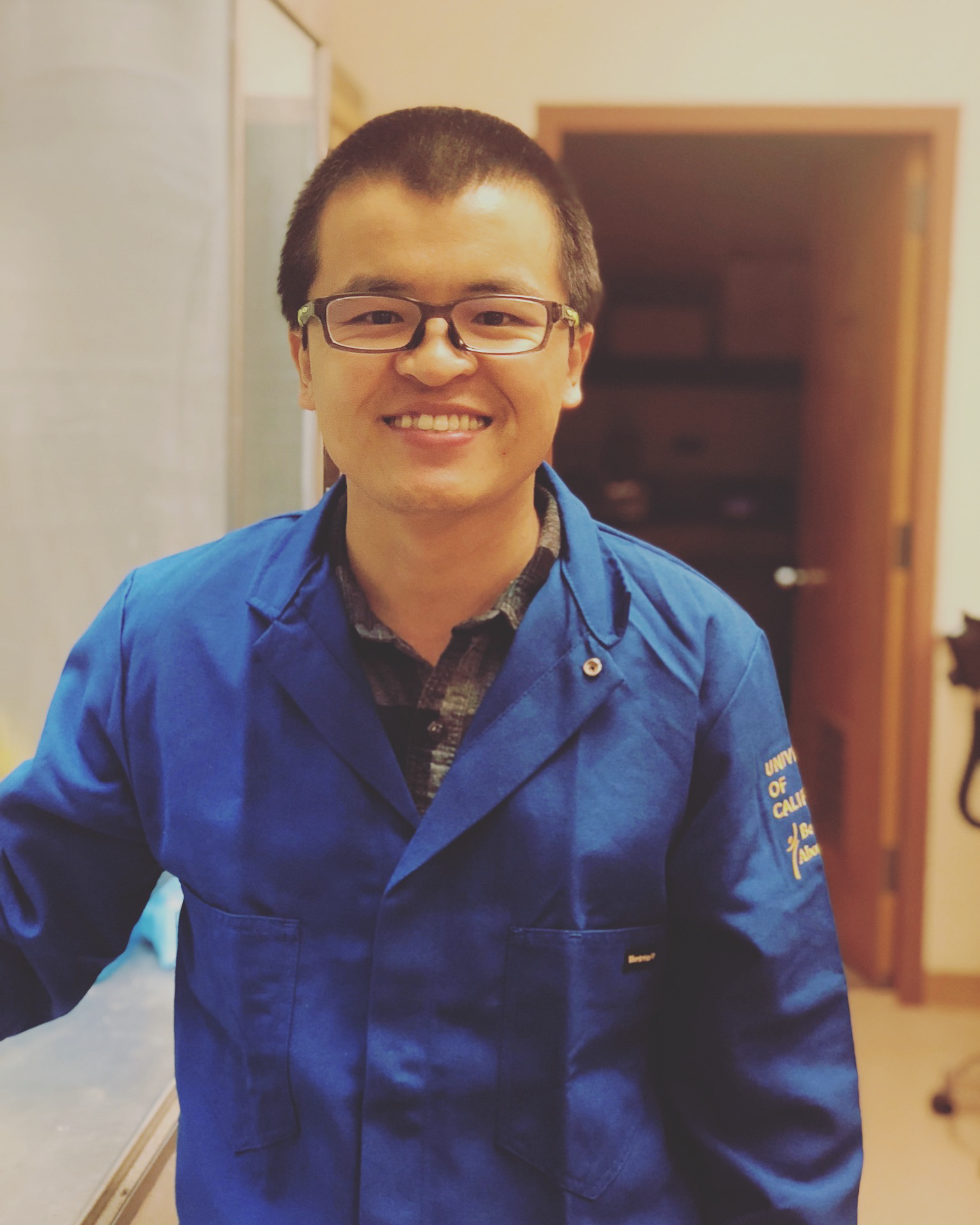
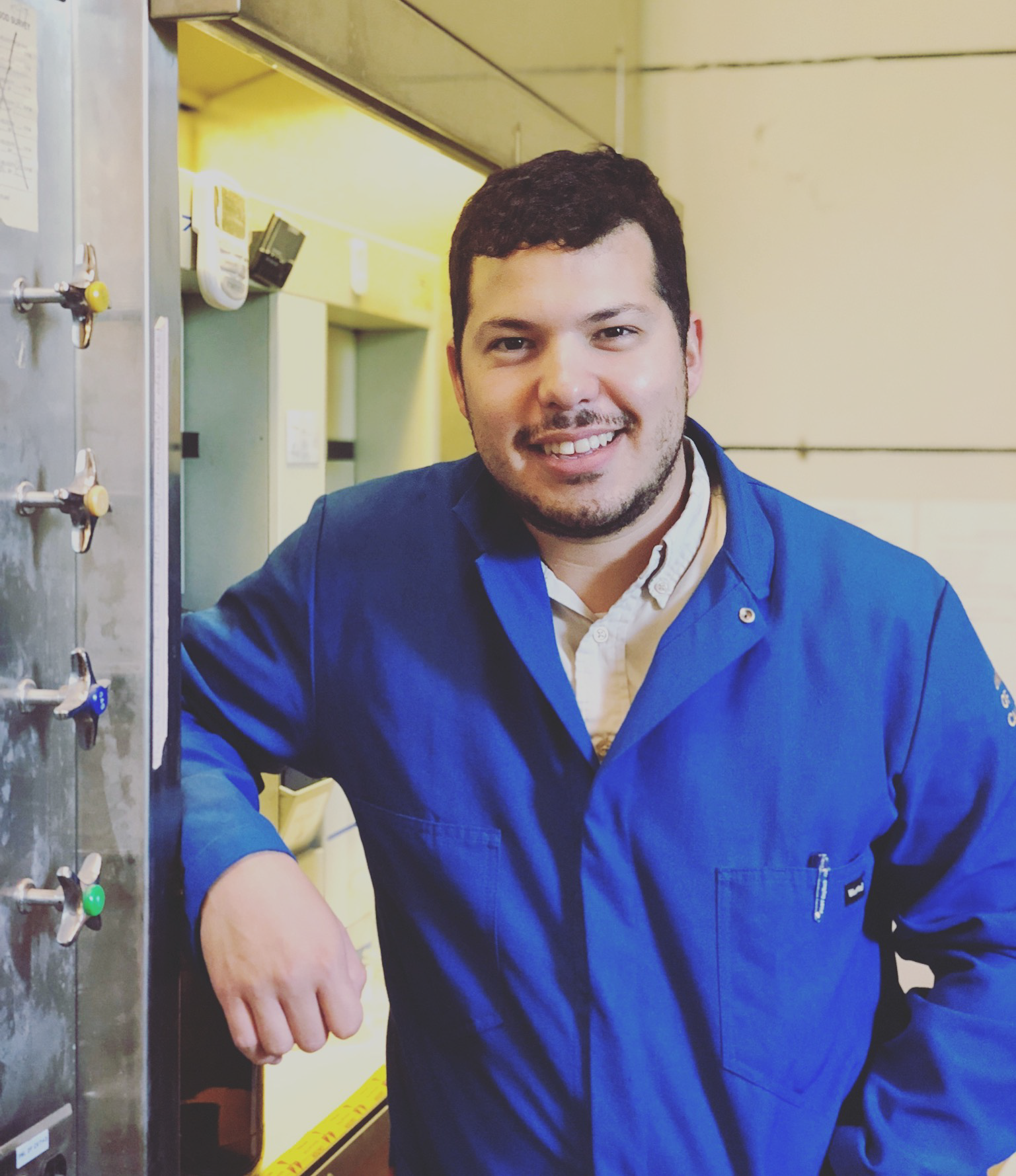
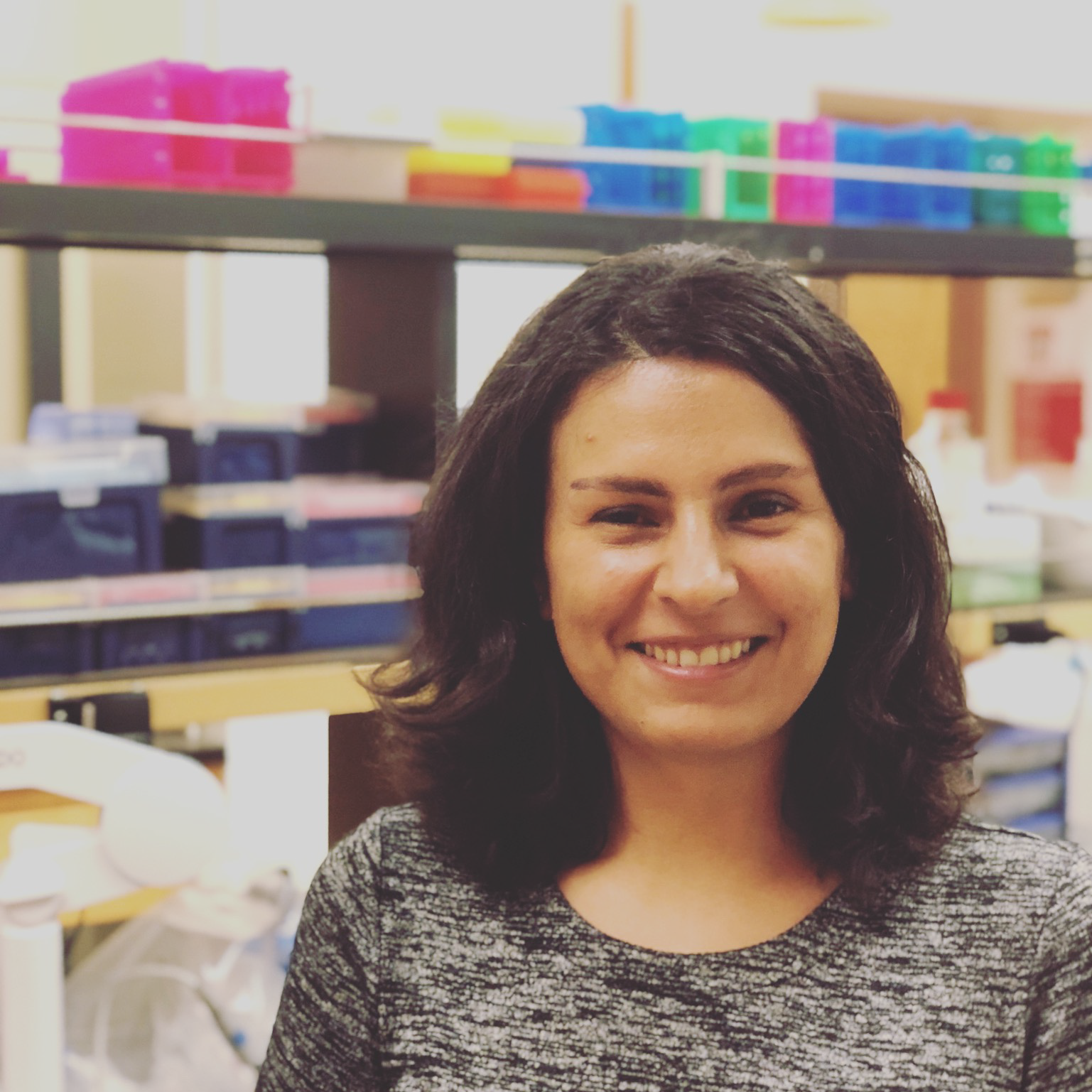
    Recently, three new post-doctoral researchers have joined the Weed Science Group at UC Davis. Their work encompasses a variety of projects aimed to improve our understanding of current weed management problems facing California growers. As part of their welcome, we would like to introduce them and their research to the weed science community in California.

    Caio Brunharo

    Caio BrunharoCaio will be working in Brad Hanson’s lab on two main research projects. The first will be a continuation of his research on resistance to paraquat in Italian ryegrass (Lolium multiflorum) using biochemical techniques to assess the role of reactive oxygen species in this resistance. His second area of research will focus on evaluating sequential herbicide applications in perennial cropping systems as a means to provide season long weed management; reduce post-emergence herbicide use and selection pressure on summer weed species.

    Caio recently completed his Ph.D. in the Hanson lab at UC Davis. His doctoral work focused on the widespread, highly competitive weed species Italian ryegrass. Caio investigated how this multiple-resistant weed species can be successfully managed with pre-emergent herbicides in fruit and nut tree systems using registered herbicides in these crops. In this work, he showed that tank mixes contribute strongly to improved weed management when resistance is present in weed populations. Caio also studied the mechanisms of resistance to paraquat in Italian ryegrass and identified that reduced movement of the herbicide contributed to the ability of the plant to survive application.

    Find a list of Caio’s publications here (subscriptions may be required for full access to articles): https://scholar.google.com/citations?user=ABjQnEcAAAAJ&hl=en

    Sara OhadiSara Ohadi

    Sara will be working on a research collaboration between Kassim Al-Khatib’s lab and USDA-ARS lab with John Madsen. She will investigate the interaction of algae in rice production systems. The ability of algae to establish large blooms in flooded rice environments directly effects the ability of rice seedlings to establish in these fields. Understanding the dynamics of algal behavior in California rice systems will enable growers to improve management techniques toward controlling these blooms.

    Sara completed her Ph.D. in Australia in Roger Cousens’ lab at the University of Melbourne. During this time, she researched how species population diversity can influence the rapid adaptation and evolution of invasive plants. For this research, Sara investigated two invasive species American searocket (Cakile edentula) and European searocket (Cakile maritima), both of which are also introduced species in California. From this work, Sara identified that a higher level of genetic variation is conductive to better establishment of European searocket compared to American searocket. From Australia, Sara moved to the U.S. to complete a post-doc in Muthu Bagavathiannan’s lab at Texas A&M University. This project investigated the gene flow and interspecific hybridization between the extremely invasive noxious weed johnsongrass (Sorghum halepense) and its closely related relative, the crop species sorghum (Sorghum bicolor). Sara focused on the rate of gene flow and out-crossing barriers between the two species and its implications on the generation of herbicide resistant weed populations. From this work, she identified that roadsides and field margins provide opportunities for feral sorghum to establish which can provide significant opportunities for outcrossing between these species to occur.

    Find a list of Sara’s publications here (subscriptions may be required for full access to articles): https://scholar.google.com/citations?user=T3ZG1FAAAAAJ&hl=en&oi=ao

    Junjun OuJunjun Ou

    Junjun will be working jointly with both Brad Hanson’s lab and Kassim Al-Khatib’s lab to investigate crop damage from volatilized herbicides and drift. Junjun will initially focus his research on the effect of phenoxy herbicides on off-target broadleaf crops, particularly grapevine systems. The work is designed to evaluate crop injury from several drift and volatilization scenarios that can occur.

    Junjun is originally from China where he completed his Ph.D. in pesticide chemistry at China Agricultural University. During this time, he worked on the development of new pesticide ingredients, looking at how different chemical groups associated with the insecticide chlorantraniliprole (Altriset, Dupont) affect the activity of the product. This work led to new formulations of chlorantraniliprole with improved activity on mites. Junjun then moved to the U.S. and completed a second Ph.D. in weed science in the Mithila Jugulam’s weed physiology lab at Kansas State University. His focus in this project was to investigate how the highly invasive species kochia (Kochia scoparia) was becoming resistant to the herbicide dicamba and to develop new management methods to control this weed. From this work he identified that reduced absorption of glyphosate and decreased translocation of dicamba contribute to poor control at high temperature.

    Find a list of Junjun’s publications here (subscriptions may be required for full access to articles): https://scholar.google.com/citations?user=9eW12yMAAAAJ&hl=en&oi=ao

    The Weed Science Group is excited to welcome Caio, Sara and Junjun to UC Davis and look forward to collaborating with them in the future!

  • Seed Biology & Quality Course, UC Davis, June 19 – 21, 2018

    Delivering improved varieties and crop protection through high quality seed is a vital component of modern agricultural production systems. It is critical that seed producers and marketers have an understanding of the biological factors that contribute to the development and maintenance of seed health, vigor and viability, and how those qualities are measured. This course presents the scientific background and technical protocols for assessing, enhancing and maintaining high seed quality and updates participants on new information in these topics, including seed pathology and enhancement. The program targets quality assurance professionals in the seed industry, new employees, consultants, breeders and seed producers to extend and update their knowledge.

    2 RST credits available to class participants!

    This course is taught by widely respected academic and public sector researchers and industry executives.

    Core Instructors and guest lecturers include:

    Kent J. Bradford — Professor, Department of Plant Sciences and Director, Seed Biotechnology Center, UC Davis

    Phyllis Himmel — Director, Collaboration for Plant Pathogen Strain Identification (CPPSI)
    Samantha Thomas — Global Stewardship and Industry Affairs Lead, Monsanto
    Deborah Meyer — Program Supervisor of the Seed Science, Nematology, and Plant Pathology Laboratories at the California Department of Food and Agriculture Plant Pest Diagnostics Center

    Diane Krause — Plant Pathology Researcher, Monsanto
    Matt May — Seed Pathology Scientist, Monsanto
    Mike O’Leary — PhD Researcher, Department of Plant Pathology, UC Davis
    Pedro Bello — Research Associate, Department of Plant Sciences, Seed Biotechnology Center, UC Davis

    Riad Baalbaki — Senior Seed Botanist, Plant Pest Diagnostics Center, California Department of Food and Agriculture

    Course Topics

    • Seed development and maturation
    • Seed vigor and viability
    • Seed health and phytosanitation
    • Seed testing
    • Seed enhancement
    • Seed longevity and storage
    • Seed biotechnology
    • Seed pathology

    Lab Topics

    • Standardized seed health testing methods
    • Certification of labs for seed health testing
    • Testing treated vs. non-treated seed (fungicide, bactericide, biological, organic & disinfectant treatments)
    • Molecular vs. ‘biological’ seed health assays (indirect vs. direct assays)
    • Location of infection of seeds by plant pathogens
    • Sample size for seed health testing, seed sampling protocols

    For more information and registration about Seed Biology and Quality, please contact Julie Tillman (jtillman@ucdavis.edu)

    or online @ http://sbc.ucdavis.edu/Courses/Seed_Biology_and_Quality/

  • Small Grains and Soil Health Field Meeting, June 5

    UC Cooperative Extension will host a Small Grains and Soil Health Field Meeting on Tuesday, June 5, 2018, from 9:30am to noon, on Staten Island in the San Joaquin County Delta. The agenda is pasted below and attached. The attached version includes a map and directions. We have applied for CCA continuing education credits, and light refreshments will be provided. RSVP is not required. Hope to see you in the field!


    9:30am       Meet at Staten Island grain silos to caravan to field trial location

    10:00am     Welcome and Meeting Overview

    Michelle Leinfelder-Miles and Brenna Aegerter, UCCE, San Joaquin County

    Dawit Zeleke, Conservation Farms and Ranches

    10:15am     Small Grains Variety Testing – Statewide and Delta Trials

    Mark Lundy, UC Davis

    10:30am     Soil Nitrate Quick Test Demonstration

    Mark Lundy, UC Davis

    10:45am     Introduction to Cover Cropping Project (funded by CDFA Healthy Soils Program)

    Michelle Leinfelder-Miles and Brenna Aegerter, UCCE, San Joaquin County

    11:00am     Cover Crop Trial Results

    Valerie Bullard, USDA-NRCS Plant Materials Center

    11:15am     Demonstrations and Evidence – Why the Hype Over Soil Health Really Matters

    Jeff Mitchell, UC Davis

    11:30am     Walk through small grains trial, participate in soil health demonstrations

    12:00pm     Wrap up and evaluations

    More details Here

  • Diagnosing Herbicide Symptoms Course, July 10-11

    Weed scientists at the University of California are offering the Diagnosing Herbicide Symptoms 2018 course on July 10-11, 2018. This 1-1/2 day course will focus on how an herbicide injury situation can arise, what types of information can help diagnose herbicide problems during field investigations, and what herbicide symptomology tools are available to you.

    The course provides a rare opportunity for professionals to update their understanding of herbicide symptoms and injuries and interact with experts in this field. Cooperative Extension specialists Kassim Al-Khatib and Brad Hanson along with farm advisor John Roncoroni are a few of the course instructors.

    Topics include herbicide mode of actions :: how symptoms develop and progress :: recovery from herbicide injury :: relationship between symptomology and economical damage :: symptoms from several classes of amino acid synthesis inhibiting herbicides :: symptoms from herbicides that mimic plant hormones and the synthesis of fatty acids :: symptoms from herbicides that affect photosystem I, photosystem II, or that act by disrupting cell membranes :: biotic and abiotic symptoms that resemble herbicide symptoms :: herbicide symptomology tools :: what happens during a field investigation :: what happens in an herbicide injury legal case.

    This program is intended for pest control advisers, sales representatives for chemical companies, field investigators, and insurance adjusters.

    Take advantage of the early-bird registration fee ($465.) The fee goes up after June 10 to $495 and then to $525 after June 26. The registration fee includes lunch, refreshments and course materials.

    The course is approved for DPR and CCA continuing education credits–PCA, QAC, QAL, Private Applicator: 8.0 Other; Certified Crop Adviser: 7.0 IPM, 1.0 PD

    More information, visit the UC Weed Research & Information Center website (http://wric.ucdavis.edu/) and click on DIAGNOSING HERBICIDE SYMPTOMS.